
Floating Floors

The term ‘floating floor’ refers to the installation method for engineered timber, laminate, and hybrid flooring. Here’s an overview of the advantages of each type:

Engineered Timber Flooring

Aesthetics

Timber flooring showcases the natural beauty and character of genuine hardwood, creating a timeless and sophisticated finish. Every board features unique grain patterns, textures, and colour variations, ensuring no two floors are identical. Available in a wide range of timber species, grades, and finishes, timber flooring complements both contemporary and traditional interiors.
Durability

Timber flooring is designed for exceptional longevity and can withstand decades of use when properly installed and maintained. Its solid construction provides excellent structural integrity, while many hardwood species offer outstanding resistance to everyday wear. Unlike many other flooring options, timber floors can be sanded and refinished multiple times, restoring their original appearance and extending their service life.

Installation

Timber flooring can be installed using either the direct-stick or floating installation method, depending on the project requirements and subfloor conditions. Direct-stick installation permanently bonds each board to the prepared subfloor, providing exceptional stability, a solid underfoot feel, and enhanced acoustic performance. Floating installation allows the boards to interlock over a suitable underlay without being fixed to the subfloor, offering a faster installation process while maintaining excellent durability and comfort. Both methods deliver a high-quality finish when installed in accordance with the manufacturer’s specifications and industry best practices.

Laminate Flooring

Cost-Effective

Laminate flooring is generally more affordable than hardwood or engineered timber, making it a cost-effective option for budget-conscious consumers.

Durability

Laminate is highly durable and resistant to scratches, stains, and fading. This makes it an excellent choice for high-traffic areas and homes with pets or children.

Easy Maintenance

Laminate flooring is easy to clean and maintain. It doesn’t require special treatments or refinishing like some hardwood floors. Regular sweeping and occasional damp mopping are usually sufficient.

Versatility in Design

Laminate flooring comes in a wide variety of designs and patterns, including options that mimic the look of hardwood, stone, or tile. This allows for a versatile range of aesthetic choices.

Hybrid Flooring

Water Resistance

One of the primary advantages of hybrid flooring is its water resistance. It typically combines the best features of laminate and vinyl, making it suitable for areas prone to moisture, such as kitchens and bathrooms.

Durability

Hybrid flooring is known for its durability, making it a suitable option for high-traffic areas. It is resistant to scratches, dents, and stains.

Easy Installation

Hybrid flooring often features a click-lock system for easy installation, similar to laminate and engineered timber.

In summary, the choice between engineered timber, laminate, and hybrid flooring depends on factors such as budget, aesthetic preferences, and the specific requirements of the space where the flooring will be installed. Each type has its unique strengths and understanding these benefits can help you make an informed decision based on your needs and priorities.

Our Work

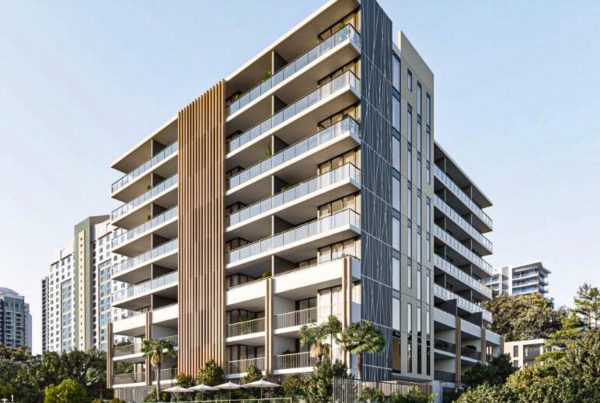
Cabana Residences

Cabana Residences

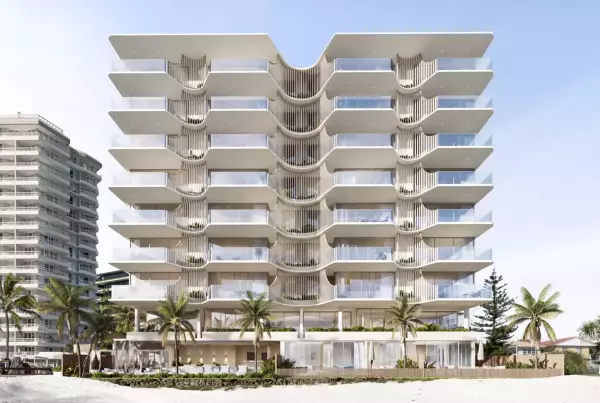
Siarn – Beachfront Residences

Siarn – Beachfront Residences

Essentia – Waterfront Apartments

Essentia – Waterfront Apartments

See Our Projects